Source Dental 3D Printer for Oral Surgery, Internal Medicine, and Dental Areal
Explore 30 verified listings for the dental 3d printer, featuring models like DDP-D1 and DJ89 Plus. Buyers can compare specifications, certifications, and prices from suppliers in China to find suitable equipment for oral departments and surgical applications; compare the available evidence and request quotations based on your requirements.
Key considerations
Products List


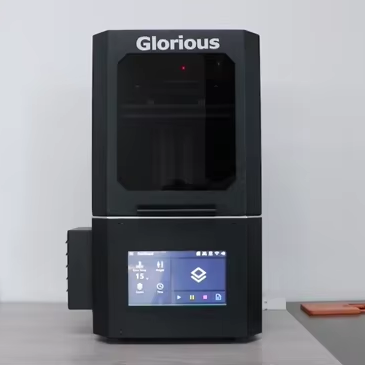
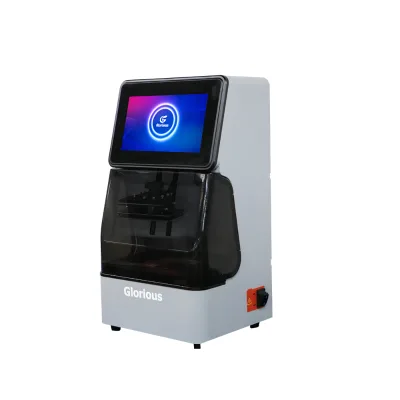


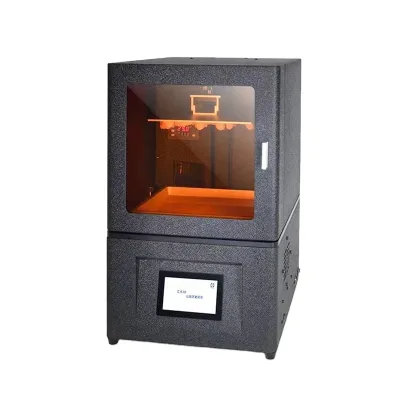


Comprehensive Sourcing Guide
Dental 3D Printer Sourcing Guide
Sourcing dental 3D printers requires a clear understanding of the distinct technological categories available in the current market. Buyers must distinguish between stereolithography (SLA) systems, which utilize resin and LCD or laser projection for high-resolution models, and fused deposition modeling (FDM) units that rely on thermoplastic filaments. The observed product landscape includes specialized equipment labeled explicitly as "Dental 3D Printer" alongside broader industrial classifications such as "3D printer" or specific model series like DJ89 Plus and SLASH 2. This diversity means that procurement teams cannot assume uniformity across all listings; instead, they must evaluate each machine’s specific printing technology, build volume, and intended clinical workflow to ensure alignment with their practice’s needs.
The decision to purchase also hinges on the specific departmental application, whether for oral surgery, general internal medicine, or laboratory model fabrication. Listings indicate applicability to the Oral Department of Internal Medicine and Oral Surgery, suggesting that some units are optimized for surgical guides or anatomical models, while others may serve broader diagnostic or educational purposes. Buyers should verify the instrument classification, noting that some devices are categorized as Class II medical instruments, which carries specific regulatory implications for clinical use. Understanding these distinctions prevents the acquisition of equipment that lacks the necessary precision or regulatory standing for specific dental procedures, ensuring that the investment directly supports the intended clinical outcomes.
Product Scope and Observed Listing Signals
The current market presents a wide variance in pricing and minimum order quantities, reflecting the heterogeneity of the product category. Observed listing prices range significantly from $36 to $9,600 USD, indicating that the category encompasses both low-cost entry-level devices and high-end professional systems. Despite this price disparity, the minimum order quantity (MOQ) is consistently observed at one unit across the sampled data, suggesting that suppliers are generally flexible with initial purchase volumes. This structure allows clinics and laboratories to procure single units for pilot testing or immediate deployment without committing to bulk inventory, although buyers should remain cautious of hidden costs associated with shipping, customs, or mandatory accessory bundles that may not be immediately visible in the base price.
Material composition and physical specifications also vary widely among the observed listings, impacting durability and operational footprint. Some devices are constructed from metal, offering robustness for high-volume environments, while others utilize acrylic components, which may be lighter but less durable. Standard packaging is noted as either standard exporting packages or carton packing, with specific dimensions and weights provided for certain models, such as a standard of 13kg or 27kg. Buyers must carefully review these physical attributes to ensure compatibility with their laboratory space and handling capabilities. The presence of specific model identifiers like DDP-D1, DDP-L1, and CUBEJET further emphasizes the need to match specific hardware configurations with the required print resolution and material compatibility for dental applications.
Technical Specifications to Verify
Power source and operational requirements are critical technical factors that influence installation and daily use. While most modern dental 3D printers operate on electric power, some listings indicate machinery-based power sources, which may imply specific mechanical drive systems or auxiliary equipment requirements. Buyers must verify the voltage compatibility and power consumption rates to ensure their facility’s electrical infrastructure can support the device without requiring costly upgrades. Additionally, the operating system compatibility, often specified as Windows for certain resin printers, dictates the software environment needed for slicing and file management. Ensuring that the printer’s software ecosystem integrates seamlessly with existing CAD/CAM workflows is essential for maintaining efficiency and reducing the learning curve for clinical staff.
File format support and nozzle or projection specifications directly impact the versatility and quality of the printed output. Commonly supported file formats include STL and PLY, which are standard in dental imaging and design software. However, buyers should confirm whether the printer supports additional formats or proprietary file types that may be required for specific clinical applications. The nozzle number and material type, such as resin for SLA printers, are also crucial determinants of print quality and durability. For instance, printers utilizing resin materials typically offer higher resolution for detailed surgical guides, while those using different materials may be better suited for study models. Verifying these specifications ensures that the selected printer can handle the specific types of dental components the practice intends to produce.
Compliance and Safety Documentation
Regulatory certifications are paramount when selecting dental 3D printers, particularly for devices intended for direct clinical use. The observed listings frequently cite CE, ISO, and RoHS certifications, indicating adherence to European safety, quality management, and hazardous substance restrictions. However, buyers must verify the specific scope of these certifications, as they may apply to the manufacturing process rather than the final medical device classification. For Class II instruments, additional regulatory approvals may be required depending on the local jurisdiction. It is essential to request official certification documents and cross-reference them with local health authority requirements to ensure that the equipment is legally compliant for use in dental practices.
Quality assurance and warranty terms provide an additional layer of protection for the buyer. Many listings offer a one-year warranty and online technical support, which are standard provisions for electronic medical equipment. However, the shelf life of certain components, such as resin materials or optical components, may be limited, with some products noting a three-year shelf life for associated consumables. Buyers should clarify whether the warranty covers parts, labor, and shipping costs, and understand the process for claiming support. Additionally, the availability of spare parts and the responsiveness of the technical support team are critical factors that influence long-term operational continuity. Ensuring that these support mechanisms are robust helps mitigate the risk of downtime and unexpected repair costs.
Cost Drivers and Commercial Terms
The total cost of ownership extends beyond the initial purchase price to include consumables, maintenance, and software licensing. Resin-based printers, which are prevalent in dental applications, require a steady supply of photopolymer resin, which can be a significant recurring expense. Buyers should evaluate the cost per cubic centimeter of resin and the compatibility of third-party materials with the printer to avoid vendor lock-in. Additionally, post-processing equipment, such as washing and curing stations, may be necessary to complete the printing workflow, adding to the initial investment. Understanding these ongoing costs is essential for accurate budgeting and ensuring that the printer remains economically viable over its operational lifespan.
Commercial terms such as payment methods, shipping responsibilities, and return policies also play a crucial role in the procurement decision. While the MOQ is typically one unit, buyers should negotiate favorable terms for shipping and insurance, especially for international orders originating from regions like Shandong, China. The standard exporting package or carton packing must be sufficient to protect the delicate optical and mechanical components during transit. Buyers should also inquire about the availability of training materials or on-site installation services, which can reduce the risk of operational errors. Clear communication regarding these commercial terms helps prevent unexpected expenses and ensures a smooth transition from purchase to clinical deployment.
Supplier Qualification and Quality Control
Supplier verification is a critical step in mitigating procurement risk, particularly when sourcing from international markets. Buyers should assess the supplier’s manufacturing capabilities, quality control processes, and track record in the dental equipment industry. While brand names like Glorious are present in the listings, buyers must verify the supplier’s legitimacy through independent channels, such as business registration records and customer reviews. Requesting references from other dental practices or laboratories that have used the supplier’s equipment can provide valuable insights into product reliability and customer service quality. This due diligence helps ensure that the supplier is a reputable entity capable of delivering consistent product quality and support.
Quality control measures should be explicitly discussed during the procurement process, including pre-shipment inspections and testing protocols. Buyers should inquire about the specific tests conducted on each unit, such as calibration checks for print accuracy and resolution. For devices with specific standard dimensions, such as 160160150mm or 330330500mm, verifying that the actual build volume matches the specifications is essential. Additionally, buyers should confirm the availability of quality assurance documentation, such as factory inspection reports or third-party testing certificates. Establishing clear quality expectations and verification steps before purchase helps ensure that the received equipment meets the required performance standards and reduces the likelihood of receiving defective or non-compliant units.
Long-Term Procurement Checks
Long-term success with dental 3D printers depends on the availability of software updates and technical support. Buyers should verify the supplier’s commitment to providing regular firmware and software updates that enhance functionality, security, and compatibility with evolving dental design software. Outdated software can lead to compatibility issues and reduced print quality, making ongoing support a critical factor. Additionally, the responsiveness of the online technical support team should be evaluated, including average response times and the availability of remote troubleshooting services. A reliable support infrastructure ensures that any technical issues are resolved quickly, minimizing downtime and maintaining clinical productivity.
Consumable supply chain stability is another key consideration for long-term procurement. Buyers should assess the supplier’s ability to consistently provide compatible resins, filters, and other necessary materials. Disruptions in the supply chain can halt production and impact patient care, making it essential to have a reliable source for consumables. Buyers should also consider the availability of alternative suppliers for critical materials to mitigate risk. Furthermore, the longevity of the printer’s key components, such as the LCD screen or laser module, should be evaluated to anticipate replacement costs. By planning for these long-term needs, buyers can ensure that their investment remains sustainable and effective over the device’s entire operational life.
FAQs
What certifications do the dental 3D printers have?
The dental 3D printers carry CE, ISO, and RoHS certifications. These quality certifications ensure the equipment meets international safety and environmental standards for use in oral departments and surgical settings.
Which materials are used for these dental products?
These dental products are constructed from metal and acrylic materials. The specific material choice depends on the model, such as the DDP-D1 or the 3D printer models designed for resin printing applications.
Can I get customization for the dental equipment?
Yes, customization is available for the dental equipment. Buyers can request specific modifications to meet their unique clinical needs while maintaining the standard export packaging and warranty terms provided by the manufacturer.
What is the warranty period for the dental printer?
The warranty period for the dental printer is one year. This coverage includes online technical support to assist with any operational issues, ensuring continuous performance for the oral surgery department.
How is the product packed for shipping?
The product is packed in standard export packages or carton packing. This secure packaging method protects the equipment during transit from the origin in Shandong, China, to the final destination.
What file formats are supported by the printer?
The printer supports STL and PLY file formats. This compatibility allows for seamless integration with various design software used in dental laboratories for creating precise 3D models and surgical guides.
Where is the place of origin for these products?
The place of origin for these products is Shandong, China. This location is the manufacturing hub for the Glorious brand dental equipment, ensuring consistent quality and supply chain reliability for international buyers.